
 03 9324 0802
  Get a Free Quote

- October 07th, 2026
- Categories: Uncategorized
Restumping is one of those jobs homeowners rarely think about until the floors start sagging or cracks begin to appear in your walls. But when the time comes to replace ageing house stumps, the material you choose matters just as much as the workmanship.
Concrete, steel, timber and adjustable stumps each behave differently underground, and Melbourne’s cold, damp climate and shifting clay soils really put that difference to the test. In this guide, we break down how each option holds up, so you can work out which type best suits your property, your budget, and your restumping timeline.
What’s the Right House Stump for the Job?
Let’s begin this guide by looking at the four different types of stumps to choose from when restumping your home, or building your home from the ground up.
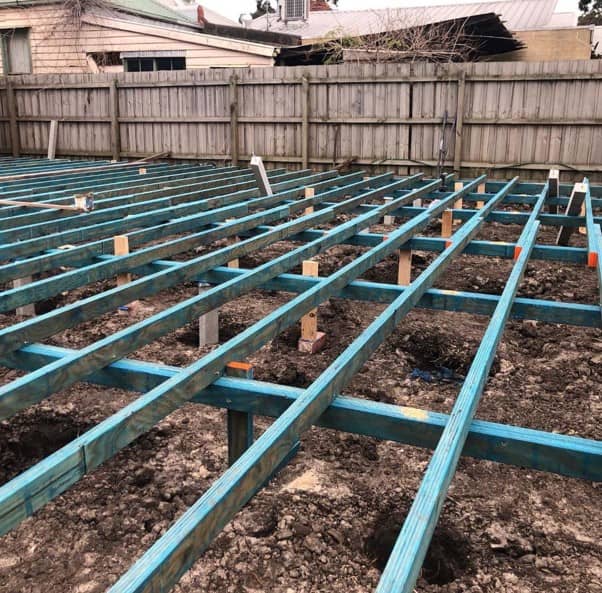
Timber Stumps
Timber stumps are best for anyone on a tighter budget, as well as people that own a more traditional home or have a heritage overlay that requires timber stumps. They’re also eco-friendly, easy to cut and shape on site, and quite cost-effective in terms of installation.
However, they are prone to rot and fungal decay in the Melbourne environment, and they can fall victim to termite attacks if not properly protected. For that reason, they typically have a shorter lifespan of around 20 years.
Concrete Stumps
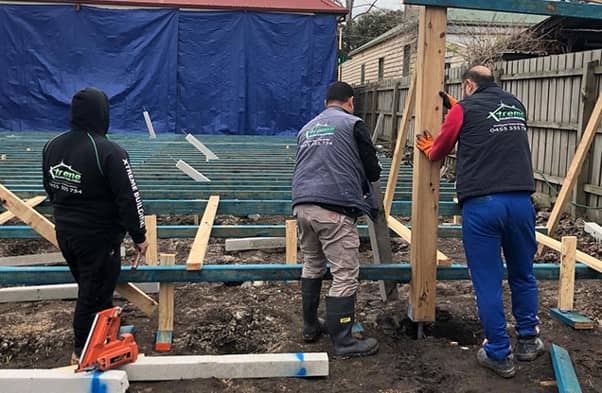
Concrete stumps work best with non-reactive soils. Suburbs in Melbourne’s south-east are a good example because of the sandy loam soil common to the area, and this is why concrete stumps often suit them well. Concrete stumps are also highly durable and immune to fire, rot and termites.
They are, however, labour intensive to install which can drive up the price. They are susceptible to freeze-thaw conditions and can crack over time due to moisture invasion. Also, being so strong and stable means if the ground does shift, they can crack and fail.
Steel Stumps
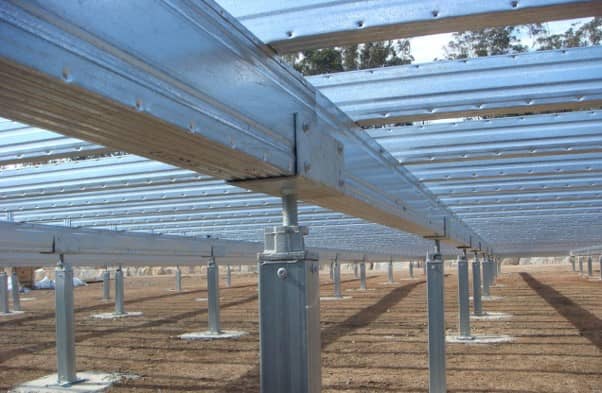
Steel stumps are sturdy, tough, and great for modern builds. They offer high strength and stability without the weight and bulk of concrete. This is one of the reasons why they’re generally a little easier to install. They are also totally resistant to fire and pests and rotting, so they have a very long life beneath your home.
While they do have a higher up-front cost than timber, this is offset by the quality of stump you receive. Another thing worth noting is that they won’t typically suffer from the rigidity of concrete stumps, so if the ground moves or settles beneath your home, they won’t flex.
Adjustable Stumps (Galvanised Steel)
The fourth kind of stump we’re looking at in this guide are adjustable stumps made from galvanised steel. These stumps are perfect for Melbourne’s reactive soil suburbs, such as out west and in regional Victoria, while also working well on either sloping or uneven terrain.
Adjustable stumps feature a threaded head that allows you to level floors, or re-level them if the ground settles, using a basic hand tool. As a result, there’s no need to excavate. They are resistant to fire and pests and rotting, and can be installed quickly ( sometimes without concrete foundations).
Timber Stumps: Why Melbourne’s Climate Works Against Them
Melbourne’s climate is a big challenge for timber stumps. The combination of wet winters, damp subfloors and reactive clay soils really pushes the limits of what timber stumps can hold and maintain.
- Persistent Moisture and Rot: Melbourne experiences damp, cool winters and unpredictable rainfall. When moisture stays trapped in sub-floors or ground contact points, it feeds decay fungi that break down wood fibres.
- Reactive Clay Soil Movement: Much of Melbourne sits on expansive clay soils that swell when wet and shrink when dry. This seasonal shifting causes ground heave and lateral pressure, which physically cracks, splits, and displaces rigid timber stumps.
- Termite Activity: Wet and decaying timber provides an ideal environment for subterranean termites. Damp sub-floors following Melbourne rains trigger increased pest activity, allowing termites to hollow out wooden stumps from the inside.
- Shorter Lifespan: While untreated timber stumps can last 25 to 40 years under ideal conditions, persistent Melbourne moisture often cuts this lifespan short.
Concrete Stumps: Strength and Longevity for Melbourne Homes
Concrete stumps give you a long-lasting foundation that is great for Melbourne’s climate and soil types. With an average lifespan of 50 years, you can feel safe and stable on your concrete slabs for a long time.
- Lifespan and Strength. High-quality concrete outlasts timber stumps by many years. Concrete does not rot due to moisture, cannot be damaged by termites and is non-combustible.
- Melbourne Soil Adaptability. Much of Melbourne sits on reactive clay soil that moves. Properly reinforced concrete stumps can handle ground shifts quite well. And the swelling and shrinking due to humidity does not warp concrete stumps.
- Maintenance. Concrete stumps don’t need a regular routine of pest treatment. You should check the subfloor every few years for cracks which can be repaired. Also, if major shifting does happen, you can’t adjust concrete stumps easily to cope.
Steel Stumps: A Durable Alternative for Restumping Projects
Galvanised steel stumps are a durable alternative when restumping your home. They won’t get eaten by termites, they won’t rot due to water and they are fire resistant as well.
- Longevity: Unlike timber, steel does not rot, warp, or attract pests like termites.
- Strength: Hot-dip galvanised steel handles high load distribution, environmental wear exceptionally well, and prevents rust under damp sub-floor conditions.
- Upfront Cost: Steel is generally more expensive initially than traditional timber. However, it saves money long-term by avoiding repeat restumping.
Adjustable Stumps: When Flexibility Matters
If your home sits on reactive clay soil, sloping land or uneven ground, adjustable steel stumps are the best choice for you. Each stump can be individually adjusted so your home sits flat and even. If the ground settles beneath your home over years, you can adjust them again, saving you money on a full or partial restumping.
- Effortless leveling: Houses settle naturally over time. If a corner drops, you can re-level the structure using a house jack and a standard spanner to turn the threaded rod.
- Soil movement adaptability: Highly reactive clay soils swell when wet and shrink when dry. Adjustable stumps make it easy to correct the resulting movement without structural damage.
- Termite and pest resistance: Unlike timber, steel stumps do not rot, warp, or attract termites, saving you money on long-term pest management.
- Installation efficiency: These stumps are lightweight compared to concrete, making them faster to transport and install, which lowers initial labour costs.
| Feature | Adjustable Steel Stumps | Steel Stumps | Traditional Timber Stumps | Concrete Stumps |
| Adjustability | Easy (threaded rod) | None (fixed length) | None (requires packing/splicing) | None (requires packing) |
| Pest Resistance | High (immune to termites) | High (immune to termites) | Low (susceptible to rot/termites) | High (immune to termites) |
| Lifespan | Very long (galvanised) | Very Long (galvanised) | Moderate (decays over decades) | Very Long |
| Installation Speed | Fast & lightweight | Fast & lightweight | Moderate weight | Slow & heavy |
Restumping in Northcote, Coburg, Eltham and Glen Iris: What to Consider With Melbourne’s Climate and Soil
Restumping in Melbourne and the kinds of stumps you use, depends a lot on the type of soil you’re building on. Melbourne has a diverse soil profile, and how each type of soil performs will help you determine what kind of material your stumps should be made from.
- West and North. Western Melbourne and out through the Northern corridor, it’s heavy to dark brown basalt clay. These soils are rich in nutrients but highly reactive. This means they swell when wet and shrink when dry. This movement can really impact the stumps holding your house steady.
- East and Northeast. The soil profile is a pale, heavy silty duplex clay. There is often a thin layer of topsoil which can get waterlogged over winter. This can shift your stumps.
- South and Southeast. This is known as the sandbelt. There is a mix of sandy loam and coastal sands beneath your feet. Some areas drain well and hold organic matter, while some areas act like the beach, with very poor water and nutrient retention. Overall, good soil to build your home on.
The Role of Melbourne’s Climate
There is a distinct wet and dry cycle with Melbourne’s weather, between the winter months and the summer months. This impacts the nature of the soil beneath your home, and in some instances can impact your actual stumps. The wooden stumps become waterlogged, concrete stumps being impacted by freeze-thaw in the colder months.
The Winter Swell
High rainfall saturates the soil. Highly plastic clays, particularly in the western and northern parts of Melbourne, soak this water up and expand. This pushes upwards against the stumps.
The Summer Shrink
During extended dry spells, or during periods of drought, the clay soils lose their moisture and contract significantly. This can create underground voids which can have your home, and stumps, settling and dropping into the soil.
Get a Quote for Concrete or Steel Stumps in Melbourne
Choosing the right stump for your restumping job comes down to your soil type, your budget and how much future flexibility you want built into your foundation. Timber might suit a heritage-listed home, but Melbourne’s damp winters and shifting clay soils mean concrete, steel and adjustable stumps offer far more reliable long-term performance across most suburbs. If you’re weighing up your options for a restumping project in Northcote, Coburg, Eltham, Glen Iris or anywhere else across Melbourne, our team can assess your soil conditions and recommend the right stump material for your home.